Learn how corporate teams build training, then add the skills and portfolio that come next.
Do you need another degree to move from higher ed into corporate instructional design?
Quick answer: No.

Katie Orton
Former career: Higher ed admissions
Now: Learning and Development Advisor, Rocket Lab

Kate Taylor
Former career: University Spanish professor
Now: Senior Learning & Change Management Strategist, Freddie Mac

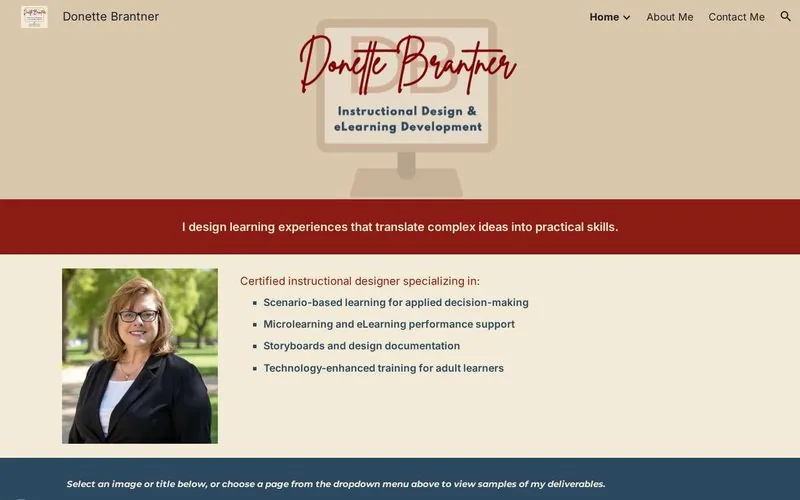
Donette Brantner
Former career: Higher ed language instructor and language lab coordinator
Now: Contract Instructional Designer, Career Certified
New to the corporate side? The Ultimate Guide walks through the whole path.
If you’ve taught at a college or university, you already work with adult learners. You know how to explain hard material, structure a course and keep grown-ups engaged, and all of that carries into instructional design. In that way it’s a lot like the move teachers make, with one advantage: your learners were already adults.
What changes is your role. As faculty, you teach the course, and you’re usually the expert on the material too. As a corporate instructional designer, you design and build the training, and someone else is the expert. You work with subject matter experts to pull out what people need to know and do, then turn it into eLearning, a facilitator guide or a job aid.
Most of the time, nobody stands in front of the room. People take the course on their own, on a screen, so a big part of the job is making learning work without you there to explain it. The goal shifts too. Corporate training is measured by whether people do their jobs better afterward, so you start with the business problem and design only what solves it. Projects run on business timelines, and you’ll often have more than one going at once.
Coming from higher ed, you bring the teaching and people side of the job. The corporate side is new, and that's where the portfolio comes in.
Your CV lists everything you’ve done, and some of it applies to corporate ID. It’s on you to show how. You can’t expect a hiring manager to read academic language and make the connection, so translate the experience into instructional design language and keep the resume short.
Some of what corporate ID needs isn’t on your CV yet, because you haven’t done it. You can’t list ten courses built in Storyline. So you learn those skills, then build a portfolio that proves you can do them. Start with the free workshop, Become an AI-Ready Instructional Designer, Nov 9 to 12, to see every piece a corporate ID portfolio needs.
To get hired, you need both halves.
Your resume shows what you've already done, translated for corporate ID. Your portfolio proves the skills you've learned since. Hiring managers want to see both.
In higher ed, you often aren’t creating training from scratch. Faculty are close to the material, so they create the courses themselves, or the courses have been around a while. So building training end to end is the part of instructional design you rarely get to do.
In corporate, you create training for a company’s employees from scratch, based on what they need, and you take it through the entire process: analysis, design, development, implementation and evaluation. You work with subject matter experts and managers, projects run on business timelines, and much of what you build is eLearning in tools like Storyline and Rise.
It’s just a matter of which one is more interesting to you.
If you’d like to move into corporate instructional design, your work with faculty, courses and the LMS comes with you. The eLearning authoring tools may be part of what’s new. The bigger part is building training from scratch, end to end, for a business problem. You build new samples for the job you want, not the job you have: a corporate job needs corporate-facing samples, not anything you did at the university, and that work usually belongs to the school anyway.
Listen to this episode of the podcast
Ed Tech, Higher Ed, and Corporate ID: What's the Difference?
From Jumpstart Your Instructional Design Career, my weekly podcast on moving into instructional design.
Subscribe on Apple Podcasts or Spotify
In this order. The most expensive mistake is enrolling in another degree before you build proof.
Three minutes. You'll see which ID skills your work on campus already gave you and which ones you'd build.
Corporate, higher ed and ed tech ID are different jobs with different doors in. Spend a day in each, then decide where you're headed.
The corporate ID process, objectives and assessments, then the eLearning authoring tools, Storyline and Rise, with AI as part of how you work. You need to learn both the process and the tools. Job postings name those two tools most, interviews may ask about them, and your portfolio shows what you can do in them.
Rewrite your CV as a short corporate resume, and translate the experience into instructional design language as you go. It’s on you to show how your teaching and campus work apply. A hiring manager won’t read a CV in academic language and make the connection.
You’re building for the job you want, not the job you have, so the samples are corporate: training for a company’s employees, built from scratch, not coursework from campus. Take each one through several drafts with feedback on every one, the way a paper gets better with each round of reviewer comments. Your subject knowledge helps: a sample set in a field you know well is easier to make strong.
Start with the free workshop, Become an AI-Ready Instructional Designer, Nov 9 to 12, so you know what you’re building toward.
Run a focused search with your corporate resume and your portfolio. Start with real openings, and talk to people who’ve made the same move.
One of the biggest perks is the increase in salary, that I went from the higher ed world to the corporate world in ID. [It’s] a significant increase… $20,000 or more.
I had SEVEN interviews over as many weeks. It was intense. But, all this just to say that I didn’t even think I was ready to begin applying but AIDA had prepared me THAT WELL!!
I am finally in the career I was meant to be in, and making the salary I deserve.

Katie Mosure
Former career: University assistant director and academic advisor
Now: Instructional Designer, Merakey

Stephanie Jarosik
Former career: Learning specialist in college athletics
Now: Learning Generalist, PeoplesBank

Heidi Evaro
Former career: Online college instructor
Now: Instructional Designer, RockItData

Jessica Guess
Former career: Assistant teaching professor
Now: Senior Learning Experience Designer, Moss & Associates

Matthew Carpenter
Former career: University faculty and credentialing specialist
Now: Lead Instructional Designer, Pentecom

Colleen King
Former career: Community college coordinator
Now: Training Developer, Clayton Homes

Jennifer Borgen Price
Former career: University ESL instructor
Now: Training Coordinator, Oregon Department of Human Services

Melissa Rickli
Former career: Adjunct professor
Now: Senior Instructional Designer, Zwicker & Associates

Tami Shepard
Former career: College dean, School of Health Sciences
Now: Onboarding and Retention Lead, Trimedx

Bryan Hicks
Former career: Adult ESL instructor
Now: Revenue Cycle Academy Program Manager, Stanford Health Care

Christina Jordan
Former career: University academic advisor
Now: Associate Instructional Designer, Ansrsource

Jennifer Gronsky
Former career: Director of student life at a university
Now: Learning Manager, DIA
Here's what Applied Instructional Design Academy (AIDA) grads report, sample sizes included.
Some grads are earning $10K to $15K more five years later, and corporate raises tend to be much bigger than raises in higher ed. Results vary.
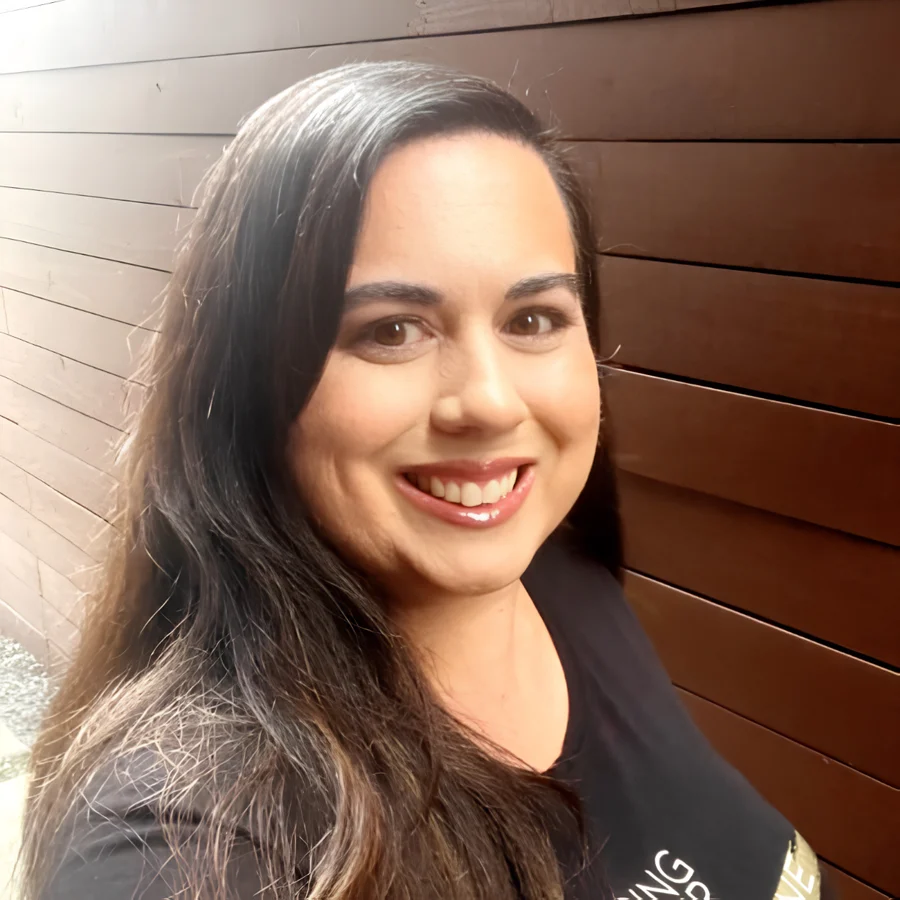
Jill Davidian is the founder of Learning Strategy & Design and creator of the Applied ID Portfolio Method. In instructional design since 2002, starting with higher ed ID work in grad school, and in corporate ID since 2006, including time as a hiring manager. 1,200+ AIDA graduates. More about Jill
Last updated: November 2026
Three minutes, a handful of questions, and you'll see which ID skills your years on campus already gave you.
Take the QuizJumpstart Your Instructional Design Career
A weekly podcast and a Substack on moving into instructional design, from me.