
Your background changes your first move. Pick the one closest to yours.
You've been circling this for a while. Maybe you've run your resume through ChatGPT or let an Articulate trial run out. Some of what you do in the classroom carries over, and the rest you can learn. See which is which, and how a portfolio gets a hiring manager to see more than “teacher” on your resume.
See the teacher path →Corporate trainer, LMS admin, training coordinator, etc. You already know how training runs inside a company, and you've likely done more of the implementation. What you build is the design and development side: the ID process, the eLearning authoring tools and AI.
See the L&D path →Faculty, adjunct, advisor, admissions, student affairs, or already an ID at a university. You've spent years helping people learn. What you build is the corporate side: the ID skills and process, the tools, AI and a portfolio companies hire for.
See the higher ed path →Maybe the degree is done and the applications are going nowhere. Maybe you're about to enroll. The degree counts, but it's often very theory-based. See the practical skills and the portfolio you may be missing.
See the master's path →Marketing, HR, ops, healthcare, finance, etc. You don't need a teaching background to become an ID. You bring the business side, and your portfolio shows the design and development side you build.
See the corporate path →Three questions sort it out. Have you developed eLearning? Have you built it in Storyline? Do you have a portfolio? Maybe you haven't built eLearning yet, or you have, just not in Storyline. Maybe you've done both and can't show the samples because they're proprietary. Or you've done all of it and never put a portfolio together, because years ago you didn't need one.
See the section for working IDs →Pick the one that sounds most like you. Open it to see what's usually in the way and what to do next.
Instructional design keeps coming up, and you don't know yet what the job really is or whether you'd like it.
+Start with a real picture of the job: what an ID does all day, what a portfolio is, and what the move takes. AI is part of the work now, and you learn it as a tool you control.
You've decided on ID. Now you're looking at certificates, degrees, free trials and YouTube, and you can't tell which comes first.
+Start by finding out which skills you already have. Some of what you do now may already be part of an instructional designer's job, and those go on your resume. A portfolio fills the gaps. It's a set of samples that shows a hiring manager you can do the work, from the ID process to the eLearning authoring tools to working with AI.
Look at real grad portfolios so you know what you're building toward. Then build it in order, with someone reviewing each piece.
A free trial, YouTube, maybe a course. You've built a sample or two and you can't tell if they're good, or the applications are out and the thanks-but-no-thanks emails come back with no reasons attached.
+The hard part of doing it yourself is that nobody checks your work. Get a hiring manager's read on what you're sending before the next 50 applications go out. What you've built so far counts. It's the start of your portfolio.
You want the steps in order and someone reviewing your work, or you've tried it on your own and want help this time.
+AIDA is a self-paced certification with weekly support: the core ID skills, AI and the tools in order, a review from a senior instructional designer on every portfolio piece until it's approved, and career services for your job search.
How to become an instructional designer, from “what even is ID” to your first offer. The roadmap in one long, honest read.
Read the guide →Jumpstart Your Instructional Design Career. Real transition stories, plus practical how-to for every step.
Listen now →Free tools for every step of the move: the fit quiz, the Portfolio Scorecard, the job board and more.
Browse the free tools →Around here you get real talk about what the job pays, what hiring managers want, and what the switch takes. Most of it is free. The podcast drops weekly, the Substack goes deeper in writing, and the Resource Hub is stocked with tools you can use today.
When you're ready to build for real, AIDA is our program, with 1,200+ graduates: the Applied ID Portfolio Method, the LEAD AI Framework for working with AI, every piece reviewed until it passes, and career services while you're in the program. Not ready for that yet? That's fine. The free resources are here for you either way.
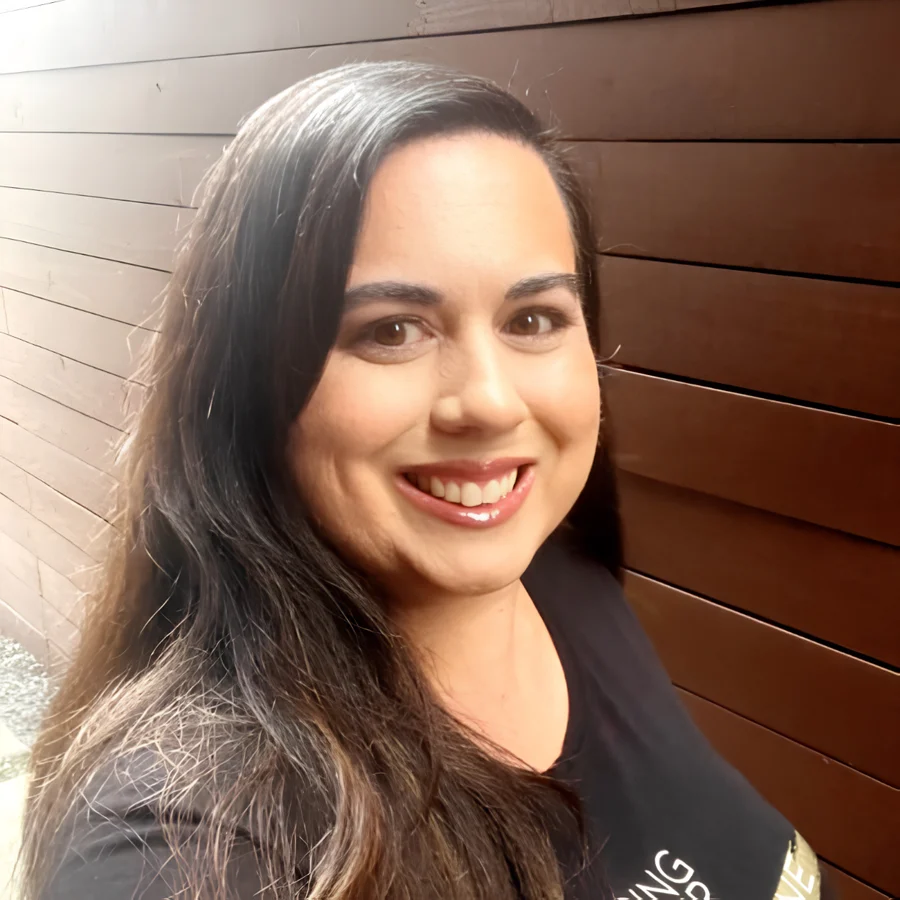
Jill has spent 20+ years in instructional design. Everything on this site comes from what actually gets career changers hired.
More about Jill and LS&D →Three minutes, a handful of questions. You'll see the ID skills you already use and the ones you'd still build.
Take the QuizJumpstart Your Instructional Design Career
A weekly podcast and a Substack on moving into instructional design, from me.