

Every step from portfolio to offer in one place, with what I looked for when I was the hiring manager.
Build your portfolio first, because it's the proof a hiring manager clicks. Then rewrite your resume and LinkedIn in corporate instructional design language and point both at the portfolio. Apply with a resume tailored to each posting, and talk to people in the field while you do. Practice your interview answers out loud, including how you use AI. When the offer comes, ask for more.
A finished portfolio, a resume and a LinkedIn profile written in corporate instructional design language. Build the portfolio first, since the resume and LinkedIn both send people to it.
Three things, in this order: a portfolio, a resume and a LinkedIn profile. The portfolio comes first because the other two point to it. When I was hiring, the resume got me curious and the portfolio decided whether I picked up the phone.
Applying before the portfolio is ready is the most common reason I see a search go quiet. A hiring manager can't see what you can do when there's nothing to click. If you're earlier than this, still learning the field or building your first samples, start with the Ultimate Guide and the Applied ID Portfolio Method. This page picks up where those leave off.
A website with a public link: home, about, your Storyline and Rise samples with write-ups, design documents and storyboards, a job aid and a contact page. Curated and finished matters more than how many pieces you have.
A real website with a public link, and a short list of finished, curated samples. A folder of files in Drive technically works, but a site is what hiring managers and recruiters consistently open. A typical portfolio site has:
Every Storyline or Rise sample needs its own live web link, because those tools export a folder of files that a Drive link can't play. A free host such as Netlify Drop gives you a link in a minute. Build a section only once you have something finished to put in it. Four finished sections read better than six with "coming soon" on them.
A portfolio can replace years of experience in a hiring manager's eyes, if it's good enough to impress the person reading it. Grads have been hired over candidates with more experience because of theirs.
Grade your portfolio the way a hiring manager would in the first ten seconds. Weighted scoring pulled from the same rubric the Applied Instructional Design Academy (AIDA) uses.
Score your portfolio →A full review of your portfolio by me, with what a hiring manager sees and what to fix first.
See the Session →Use a hybrid format with your summary and skills first, write every bullet in corporate instructional design language, keep your real titles, tailor it to each posting and link your portfolio.
Write it in the language corporate instructional design teams use, built around what you designed and built, and tailored to each posting. A hybrid format works best for career changers: a summary and skills section first, then your work history. A purely functional resume that hides your history causes problems with applicant tracking systems.
Keep your real job titles. If your title was Teacher, it stays Teacher, and the bullets do the translating: instructor-led training, eLearning, job aids, learning objectives, subject matter experts. Reference checks verify titles, and a mismatch gets flagged.
Write it like a person. Hiring managers have learned the tells of a resume written by AI, so use AI to help you draft and then put it back in your own words. And remember what a resume can and can't do. It can get your portfolio opened. It can't prove you can do the job.
Coming from a classroom? How to rewrite a teacher resume for instructional design has the translation table. When a posting asks for a cover letter, here's how to write one as a career changer.
Lead your headline with "Instructional Designer," write your About section in first person about where you're headed, and put your portfolio link first in Featured.
Your LinkedIn profile makes your move into instructional design visible before your work history can. Recruiters search LinkedIn in plain language now, so a clear career-change story helps you there.
LinkedIn first: it's where more AIDA grads found their job than anywhere else (174 of 407 who answered). Add the LS&D job board, Indeed and company career pages, and search every title the job goes by.
LinkedIn, mostly. Of the 407 AIDA graduates who told us where they found the job they took, 174 named LinkedIn, more than any other source. Indeed, company career pages and people they knew made up much of the rest.
The LS&D job board pulls instructional design listings into one screened list, including remote and entry-level roles. Search more than one title, too. Learning experience designer, curriculum developer and eLearning developer are often the same job under another name.
Remote work is common. Expect real competition for fully remote postings, because everyone in the country can apply.
Watch for scams. Walk away from any job that asks for money before you're hired, moves the conversation off official channels, offers you a job with no interview, or asks for your Social Security number or bank details before a signed offer.
About four months of applying, on average, for the AIDA grads who answered (554 people, median 12 weeks). They sent an average of 128 applications before the job they took, with a median of 88 (623 people).
Here are the real numbers from AIDA's paid work questionnaire, answered by grads who were hired:
| What we asked | Average | Median | Grads who answered |
|---|---|---|---|
| Applications submitted before the job | 128 | 88 | 623 |
| Weeks spent applying | 17 (about four months) | 12 | 554 |
The range is wide. Half of the 554 grads who answered heard back from their first employer within two weeks of starting to apply, and across all 623 the median was four first interviews. A quarter of those 623 grads sent 30 applications or fewer, and a quarter sent more than 175. Both ends are normal ways people got hired. These are averages from people who were hired, and your own search will have its own shape.
A single posting also takes time. Employers often collect applications for a few weeks before anyone reads them, then screen a handful of candidates, then send a few to the hiring manager. One posting can take one to three months from application to offer. Quiet weeks are usually that rhythm at work.
Start small and specific: react, comment, connect with a note, then ask one question in a message. A helpful answer by message is a real result.
One small step at a time. You don't need to know anyone yet. A ladder that works for introverts and everyone else:
Follow instructional designers and L&D leaders at companies you'd like to work for, and react to what they share.
Add something specific to a post: a question, a resource, what you tried.
One or two sentences on why you're reaching out.
A question they can answer in a message. A good answer in a message is a complete win, and most people won't have time for a call anyway.
Once there's a real conversation going, a short call is a natural next step.
You have something to offer even now: real curiosity, gratitude, and the chance to vouch for someone later. When someone refers you, your application reaches a person who's expecting it.
Practice your answers out loud: tell me about yourself, why instructional design, your process, a portfolio walkthrough and how you use AI. Have references ready in place of recommendation letters.
Out loud, before it counts. The questions that come up most for career changers:
Use the words of the field: learners, modules, learning objectives and facilitation. One-way video interviews are common, and the transcript of what you say is what gets reviewed. HireVue, the largest platform, dropped facial analysis in 2021.
One mix-up catches a lot of former teachers. Corporate hiring wants references: a name, a title and a phone number or email for someone who can be called. A written recommendation letter, the norm in schools, usually isn't part of the process.
Know the real range ($76,000 average across 347 reported salaries), then counter with one specific number tied to the value you bring. 228 of the 554 AIDA grads who answered negotiated something on their offer.
Know the numbers, then ask. Among the 347 AIDA graduates who reported an annual salary, the average is $76,000 and the median is $75,000. Contract work averages $43 an hour across 214 reported rates. Of the 554 grads who answered the question, 228 negotiated something on their offer: salary, benefits or hours.
A counter-offer has a simple shape. Thank them and mean it. Base your ask on the value you bring, such as a skill the posting asked for or a piece of your portfolio. Name one specific number, since a range gets heard at its bottom. Then stop talking. When a posting lists a salary range, aim near the top of it and say why.
Read the written offer before you sign. Check for missing pay details, a salary lower than what you discussed, a deadline under 48 hours, a long wait for benefits, a non-compete, and a probation period longer than 90 days.
Everything on this page is the public version of how I teach the search. Inside AIDA, the search runs in Job Search HQ. You build your portfolio, resume and LinkedIn to what hiring managers look for, then work the search itself with real tools, mock interviews and our career services team while you're in the program, up to 12 months. Full-time roles and contract work count the same.
More on how to get an instructional design job
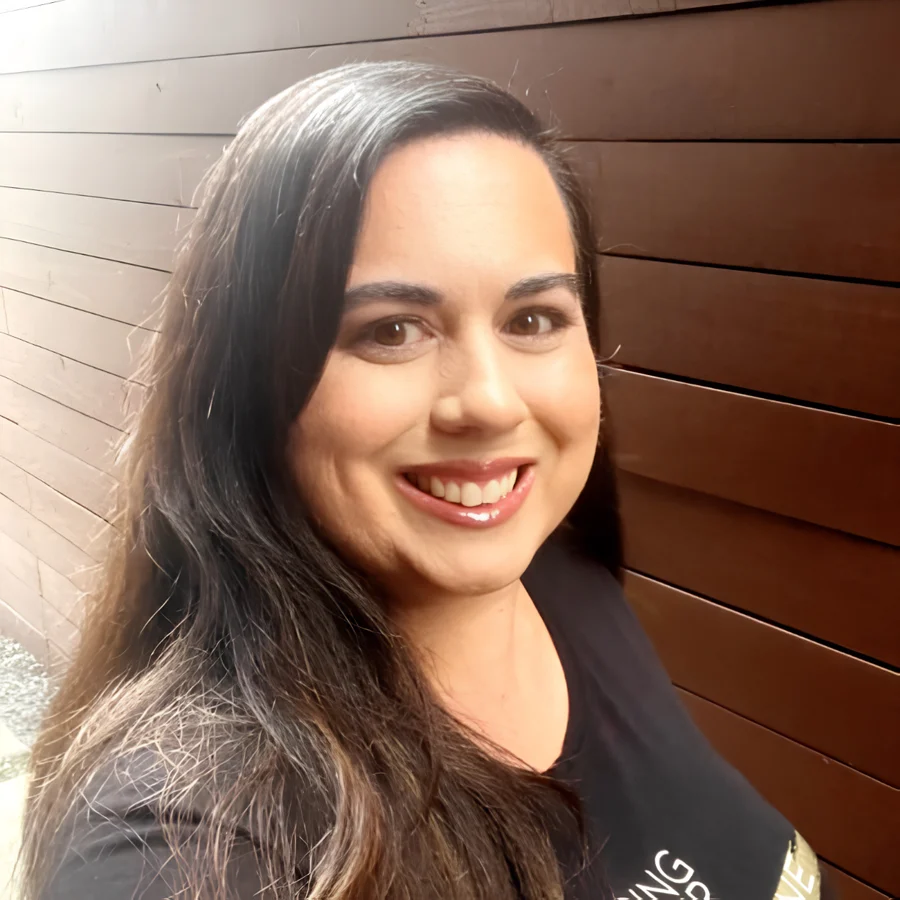
Jill Davidian is the founder of Learning Strategy & Design and creator of the Applied ID Portfolio Method. 20+ years in instructional design, including time as a hiring manager. 1,200+ AIDA graduates. More about Jill
Last updated: November 2026
The LS&D job board pulls instructional design listings into one screened list, remote and entry-level roles included.
Browse the Job BoardJumpstart Your Instructional Design Career
A weekly podcast and a Substack on moving into instructional design, from me.